How to Start Trading as a Beginner with Practical Steps and Strategies
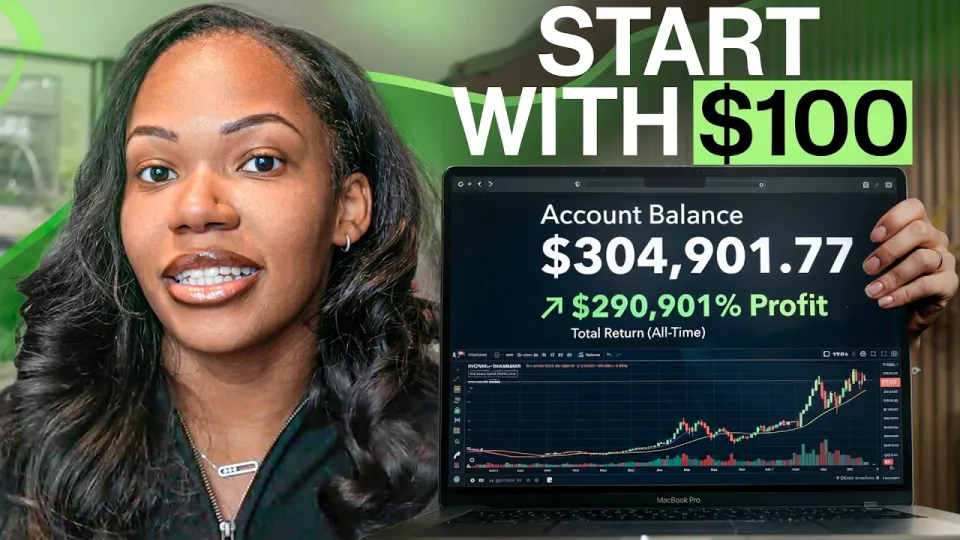
Video: How To Start Trading As A Beginner In 2026 (Step-by-Step)
Want articles like this for your own video to promote it on YouTube and Google? Order them through the Telegram bot @sat_sit_bot. It writes articles around your video, embeds the video and publishes them on popular niche websites (no ads). Your first 50 articles are free.
· based on the channel Sierra Aaliyah
Key takeaways
- Start trading with $300 to $2,000 for manageable risk.
- Paper trading is essential before using real money.
- Understand calls vs puts and options vs futures clearly.
- Use platforms like Webull and TradingView for trading and analysis.
- Master market structure, candlesticks, and trading psychology first.
Trading is the process of buying and selling financial instruments like stocks, options, and futures with the goal of making a profit. To start trading as a beginner, the key is to build a strong foundation with manageable capital, proper education, and disciplined practice. Beginners are recommended to start with $300 to $2,000 to limit risk and to first practice with paper trading (simulated trading) before risking real money. A comprehensive beginner's guide can help you avoid common pitfalls and develop a sustainable trading routine. For those interested, Sierra Aaliyah offers a trading community and resources to learn alongside experienced traders: Crystal Academy Trading Discord.
Understand What Trading Actually Is
Trading is not about quick riches but about making consistent profits through skill and knowledge. It involves buying assets when you expect their price to rise and selling or shorting when you anticipate a decline. It is important to differentiate trading from investing: trading is short-term and active, while investing is generally long-term.
Among trading instruments, options and futures are popular but often misunderstood. Options give you the right, but not the obligation, to buy or sell an asset at a specific price before expiration. Calls are options to buy, and puts are options to sell. Futures are obligations to buy or sell at a future date and are generally more complex and riskier. Beginners should choose the instrument that fits their schedule and risk tolerance.
Start with Paper Trading and Manage Your Capital
Paper trading lets you practice trading strategies in real-time markets without risking actual money. It's the best way to learn market dynamics, test setups, and build confidence. Sierra Aaliyah advises that if you can't double $1,000 on paper, you should not risk real money yet.
When ready to trade live, start with a small amount, between $300 and $2,000, to control losses while gaining experience. Avoid myths about needing $50,000 or more to start; you do not need a large capital to begin learning and trading effectively.
Use the Right Broker and Charting Tools
Selecting a reliable broker and charting platform is crucial. Sierra Aaliyah recommends Webull for beginners, which allows free stock trading and offers good educational resources. For analysis, TradingView is a powerful, user-friendly charting platform that helps visualize market trends and patterns.
Learning to read candlestick charts is a fundamental skill. Candlesticks show open, close, high, and low prices in a given time period and help identify market sentiment. Combined with understanding market structure — the behavior of price highs, lows, support, and resistance — traders can make informed decisions.
Master Key Concepts Before Trading
Before entering the market, focus on mastering three core concepts:
- Trading Psychology: Control emotions like fear and greed. Patience and discipline are more important than chasing quick profits.
- Risk Management: Never risk more than 1-2% of your capital on a single trade.
- Market Structure and Price Action: Understand how prices move and react to support and resistance zones.
Ignoring these fundamentals is a common reason why many beginners quit within the first two months.
Common Beginner Questions and Challenges
Many new traders struggle with chart reading, strategy development, and consistency. It's normal to face losing streaks initially. Some feel overwhelmed by market complexity or frustrated by slow progress.
Key advice includes focusing on higher timeframes rather than minute-by-minute charts to avoid overtrading and emotional reactions. Having a mentor or community support, like the Crystal Academy, can accelerate learning and keep motivation high.
Useful Links
- Crystal Academy Trading Discord — join for mentorship and trading community support.
- Webull Broker Sign Up — recommended broker with free stock offers.
- Sierra Aaliyah Instagram
- Sierra Aaliyah TikTok
Conclusion
Starting trading as a beginner requires patience, education, and disciplined practice. By understanding basic trading concepts like calls and puts, using paper trading to build skills, and choosing the right tools such as Webull and TradingView, new traders can set themselves up for success. Managing emotions and risks is equally important to sustain trading over time. For guided learning and support, Sierra Aaliyah's Crystal Academy is a valuable resource to consider on your trading journey.
Questions & answers
Is it necessary to have a large amount of money to start trading?
No, you do not need a large capital. Starting with $300 to $2,000 is recommended to manage risk effectively.
What is paper trading and why is it important?
Paper trading is simulated trading without real money. It helps beginners practice strategies and understand market behavior before risking actual capital.
What are the differences between calls and puts in options trading?
Calls give you the right to buy an asset at a specific price, while puts give you the right to sell. Both allow traders to profit from market movements without owning the underlying asset.
Why do many beginners quit trading early?
Most beginners quit due to lack of proper education, poor risk management, emotional reactions, and unrealistic expectations about profits. Mastering psychology and fundamentals helps avoid this.
Source: How To Start Trading As A Beginner In 2026 (Step-by-Step) · Markdown version